


Colour correction

Hair Colour Correction: What It Is and How the Process Works
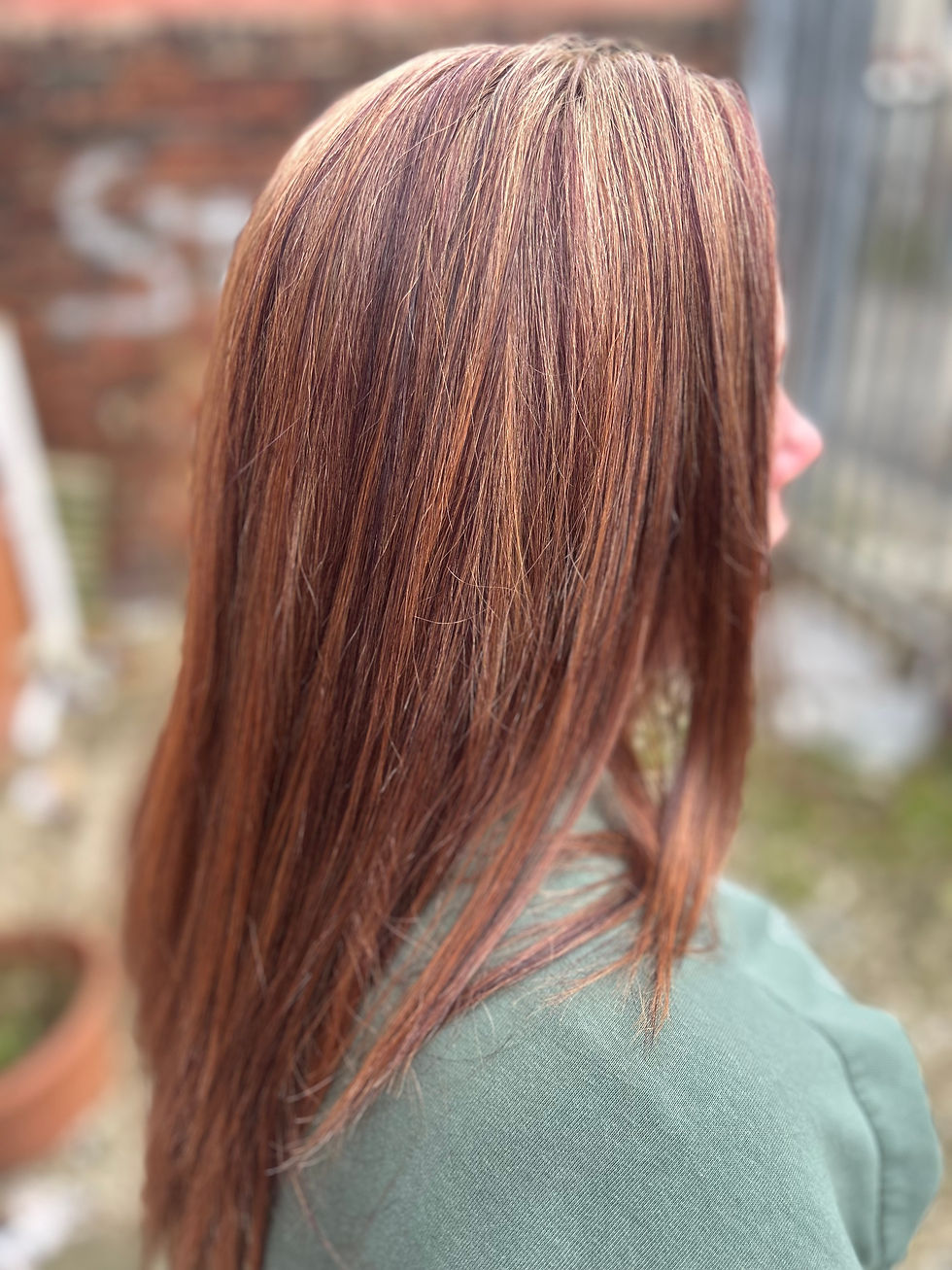
Hair colour correction is the process of fixing hair that has been improperly coloured, whether it’s too dark, too light, uneven, or an undesirable tone. Whether you’re dealing with a DIY colour mistake, a botched salon job, or simply want to shift your hair colour to a more flattering hue, hair colour correction can help restore balance and bring your hair back to its perfect shade.

Here’s a breakdown of the process:
1. Assessing the Problem
The first step in any hair colour correction is identifying what went wrong. This could involve:
• Uneven colour: Sometimes, hair can turn out blotchy, with some sections darker or lighter than others.
• Colour fading: Your colour may have washed out quicker than expected, leaving a dull or brassy tone.
• Brassy or warm tones: You may have ended up with unwanted orange, yellow, or red tones after lightening your hair.
• Colour too dark or too light: A common issue with at-home colouring is ending up with a shade that’s too harsh or simply not right for your skin tone.
• Previous chemical damage: If your hair has been over-processed, you might need a gentler approach to restore its health while correcting the colour.

2. Consultation and Professional Evaluation
It’s always best to consult with a professional stylist for a hair colour correction. They’ll evaluate your hair’s current condition and the colour problem, checking for any signs of damage or over-processing. This is a critical step because hair that’s already fragile from previous treatments requires a more cautious approach.

3. Choosing the Right Approach
There are several ways a stylist might go about correcting your hair colour, depending on what you’re dealing with:
• Colour Removal: If your hair is too dark and you need to lighten it, a colour remover may be used. This process helps lift the artificial pigments without affecting your natural hair colour.
• Toning: To combat brassiness or unwanted yellow tones, a toner is applied to neutralise the colour. Toners use a colour opposite on the colour wheel to cancel out unwanted hues, giving you a more natural look.
• Colour Balancing: If some sections are lighter or darker than others, the stylist might use a technique called colour balancing. This could involve applying a new colour or lifting specific areas to match the rest of the hair.
• Lifting and Toning: In some cases, especially when correcting a dark dye job, lifting the hair to a lighter shade before applying a toner can achieve the best results.

4. The Correction Process
Once the approach is decided, the stylist will begin working on your hair. Here’s what typically happens:
• Colour removal or lightening is applied to lift out the unwanted pigments.
• Toning is done to refine the colour and neutralise any undesirable tones.
• Gloss or glossing treatments may be used to add shine and a more natural finish.
• Hydrating treatments will be added to protect your hair from damage during the process.
5. Patience and Time
Hair colour correction can take time, especially if you’re working with damaged hair or trying to go from a very dark shade to a much lighter one. In some cases, it may take several sessions to achieve the desired result, especially if you’re looking for a significant colour change or you’re fixing multiple issues at once.

6. Post-Correction Care
Once the colour correction is done, it’s essential to follow your stylist’s aftercare instructions to keep your hair healthy and vibrant. This might include:
• Deep conditioning treatments to restore moisture and repair damage.
• Using colour-safe shampoos and conditioners to maintain your new colour.
• Minimising heat styling and protecting your hair from sun damage.

7. Maintenance
Colour correction often requires ongoing maintenance to keep your hair looking fresh. Depending on the correction, you may need to schedule regular touch-ups or use at-home treatments to preserve your hair’s health and colour.

Final Thoughts
Hair colour correction can be a transformative experience, but it’s important to approach it with care. Working with a skilled stylist is crucial, especially if you’ve experienced a colour mishap. Remember that hair correction isn’t always a one-time fix; depending on the severity of the colour issues, you might need several treatments to achieve your ideal shade. And no matter what, always prioritise the health of your hair to ensure it remains vibrant and beautiful.
Have you ever had a hair colour mishap? Would love to hear your experiences!
This article is very well written and reads pleasantly from start to finish. I appreciated the precision with which the technical details are handled. I found this content answering a question I was asking myself. It is not easy to find information so complete and well presented on this topic.